
 Written by
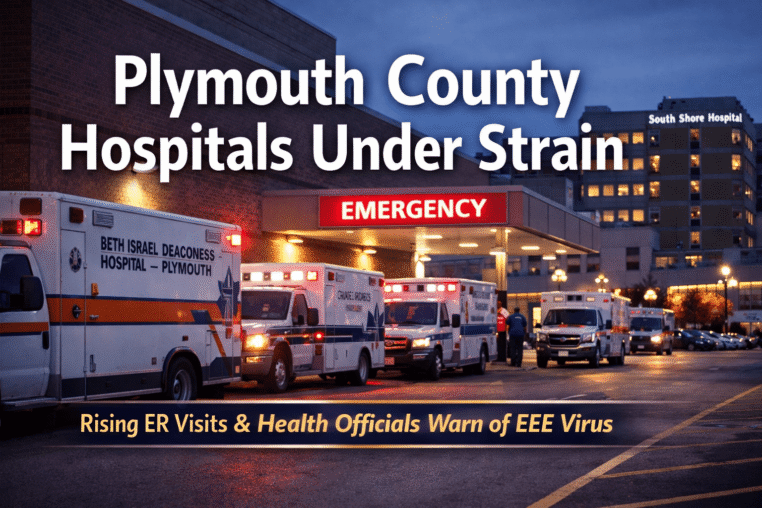
 PLYMOUTH COUNTY, MASSACHUSETTS — Hospitals across Plymouth County are reporting ongoing pressure as emergency departments manage high patient volumes and prepare for seasonal public health risks.
At Beth Israel Deaconess Hospital‑Plymouth, a 190‑bed community hospital, emergency visits remain high for injuries, acute illnesses, and chronic condition flare‑ups. Jim Jenkins, the hospital’s Chief Financial Officer, says staffing levels and bed availability are “continuing to challenge our capacity, especially during peak evening hours.” Hospital leadership, under system CEO Kevin Tabb, MD, is focused on maintaining timely care for critical patients while optimizing resources for less urgent cases.
South Shore Hospital in Weymouth, a 396‑bed Level II trauma center, also reports near‑capacity emergency department operations. Allen Smith, MD, the hospital administrator, notes that balancing critical care needs with staffing shortages has been a top priority. Both hospitals continue to coordinate patient transfers and care with smaller facilities across the South Shore to manage overall demand.
Local Health Threat: Eastern Equine Encephalitis Virus
Public health authorities are reminding residents of the ongoing risk of Eastern equine encephalitis virus (EEE), a rare but serious mosquito‑borne pathogen. The virus is carried by infected mosquitoes and can cause severe neurological illness in humans, though human cases in the county remain very rare. Symptoms of infection can include fever, headache, nausea, fatigue, and, in severe cases, encephalitis, seizures, or paralysis.
Local mosquito surveillance has confirmed the presence of EEE‑carrying mosquitoes in some areas of Plymouth County, prompting warnings from health officials to take preventive measures such as:
- Using EPA‑approved insect repellent
- Wearing long clothing when outdoors at dawn or dusk
- Eliminating standing water where mosquitoes breed
ER Demand and Staffing Challenges
Staffing shortages remain a concern across Plymouth County hospitals. Both Beth Israel Deaconess‑Plymouth and South Shore Hospital report reduced direct nursing hours per patient in some units, increasing pressure on care teams. Hospitals are urging residents with non‑urgent health issues to use urgent care centers or primary care providers to help reduce emergency department crowding.
Collaboration Across the Region
Hospitals in Plymouth County are coordinating with neighboring facilities and local health departments to manage high patient volume. Adjustments to regional patient flows have been ongoing since the 2023 partial closure of Signature Healthcare Brockton Hospital, which shifted more patients to Plymouth County hospitals.
Guidance for Local Residents
- Seek emergency care immediately for chest pain, severe injury, difficulty breathing, stroke symptoms, or sudden neurological changes
- Prevent mosquito bites to reduce the risk of mosquito-borne illnesses like EEE
- Use urgent care or primary care for non‑emergency conditions to reduce ER congestion
Hospital leaders emphasize that while care remains available, residents should remain aware of public health risks and plan visits appropriately.